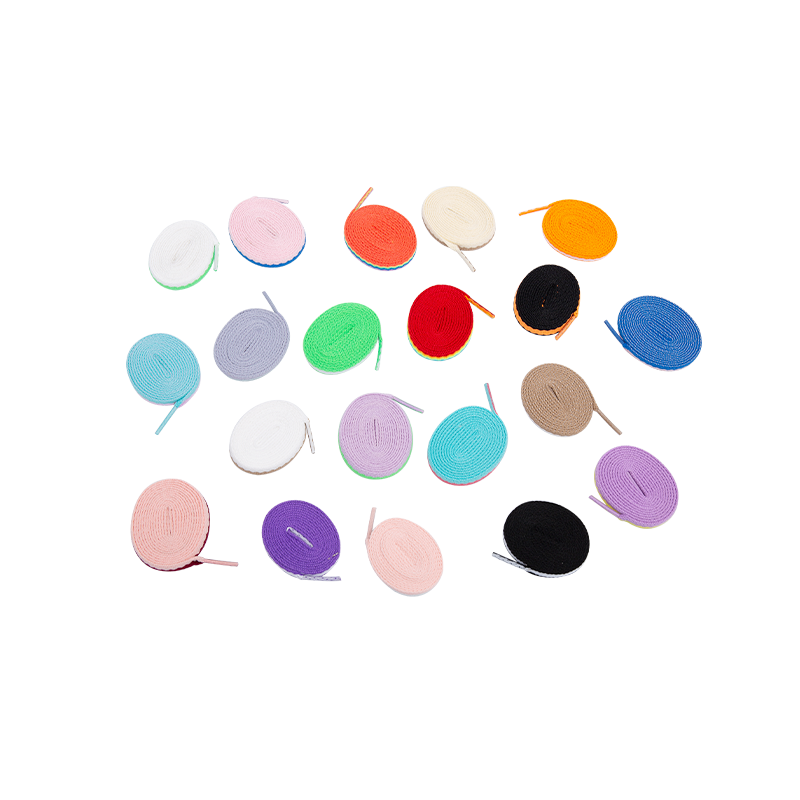
The global textile industry is undergoing a profound transformation. Consumers increasingly demand products that are not only beautiful and functional but also environmentally responsible. This shift has elevated organic cotton from a niche material to a mainstream choice for brands across fashion, accessories, home textiles, and beyond.
Organic printed cotton webbing represents a critical component in this sustainable ecosystem. Webbing—the narrow width fabric used for straps, handles, belts, trims, and bindings—is ubiquitous in everyday products. When manufactured from certified organic cotton and printed with environmentally responsible inks, it allows brands to extend their sustainability commitment to every visible component.
This article provides a comprehensive technical comparison of the two primary printing methods for organic cotton webbing: pigment printing and reactive printing. We will examine chemistry, color performance, durability, environmental impact, cost considerations, and application suitability. For procurement professionals and product developers, this guide serves as a reference for selecting the appropriate printing method for different end uses, performance requirements, and brand values.
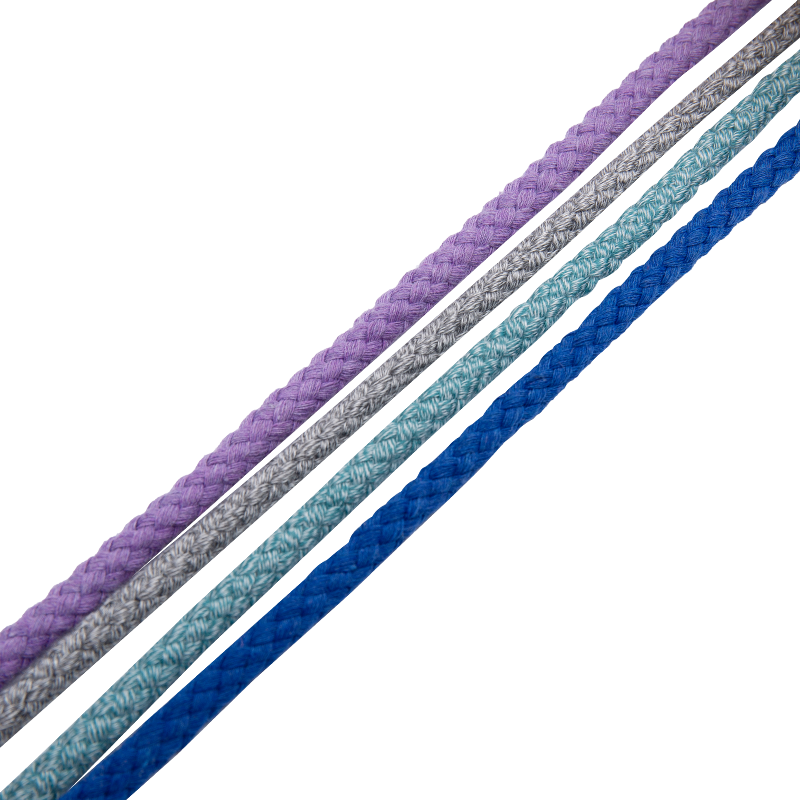
Organic printed cotton webbing is a narrow width fabric, typically 10 millimeters to 100 millimeters wide, woven from 100 percent certified organic cotton yarns and then decorated with printed patterns, logos, or designs. The webbing structure can be plain weave, twill weave, herringbone, or custom jacquard constructions depending on the application requirements.
Organic cotton itself is grown without synthetic pesticides, chemical fertilizers, or genetically modified seeds. Certification standards such as GOTS (Global Organic Textile Standard) ensure that the entire supply chain, from farming to processing to manufacturing, meets strict environmental and social criteria .
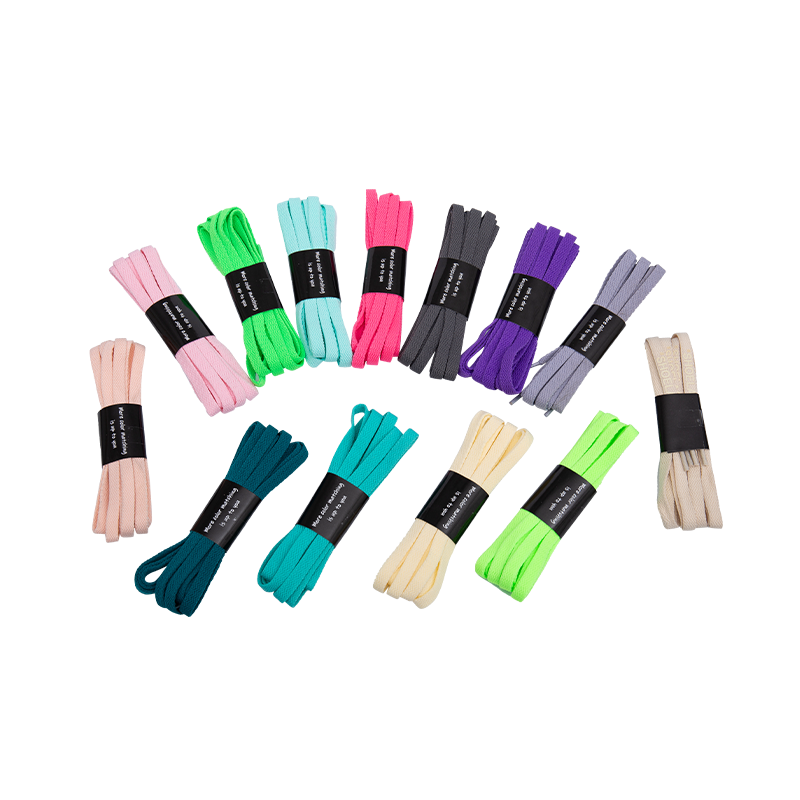
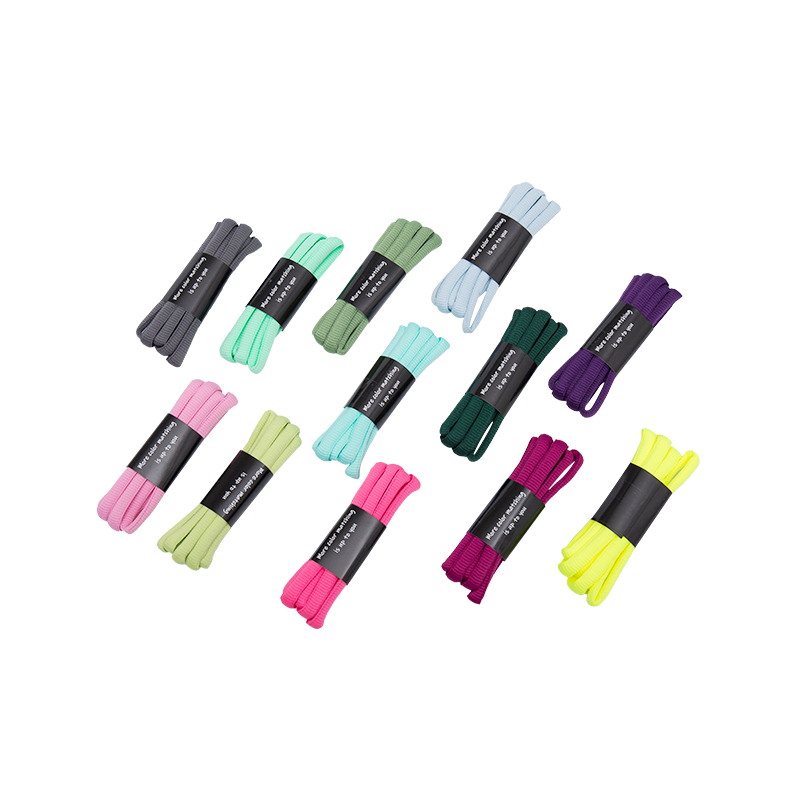
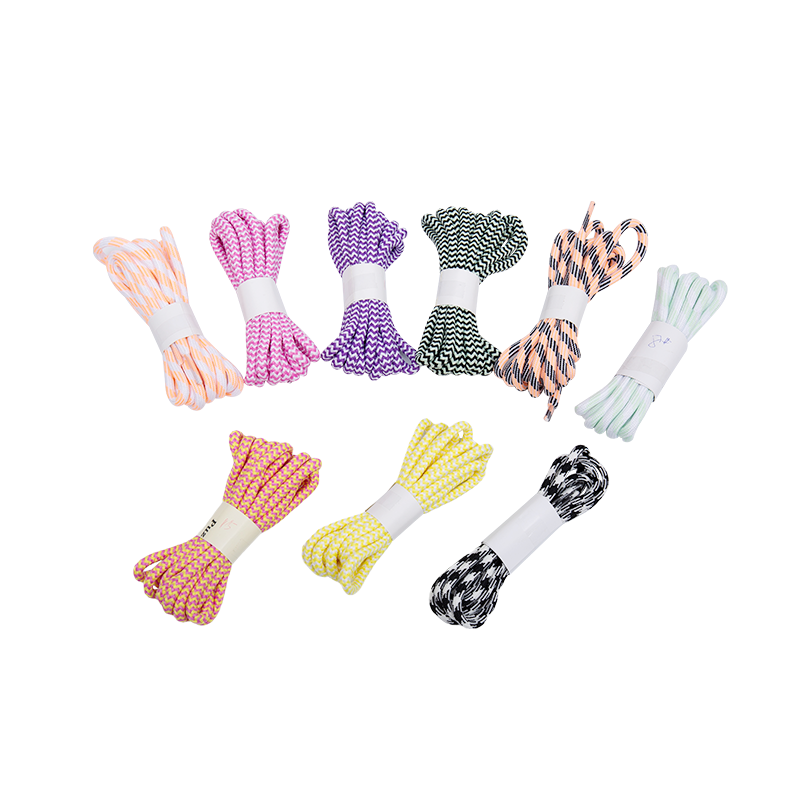
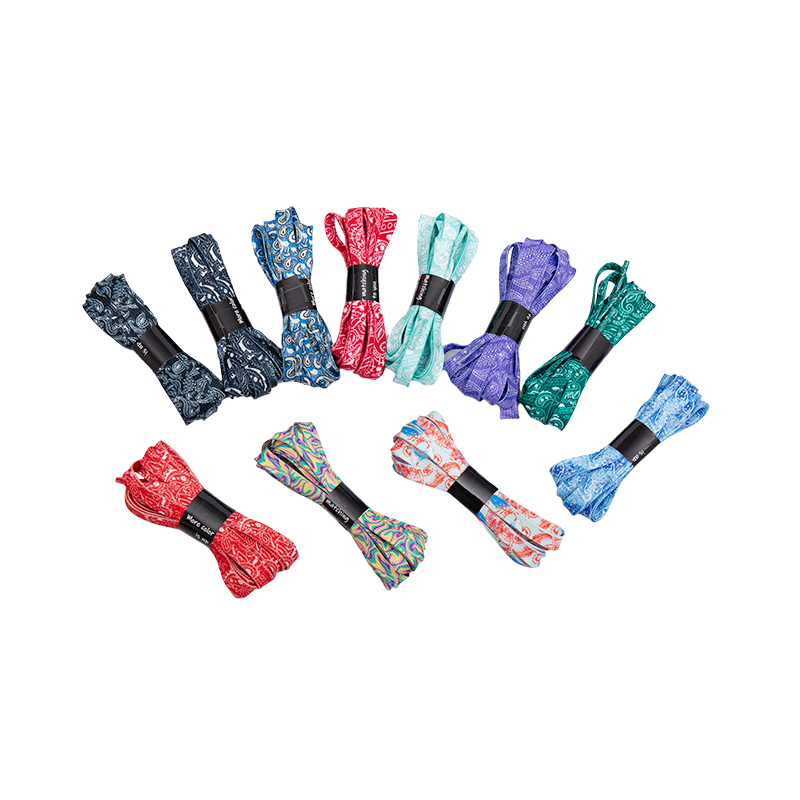
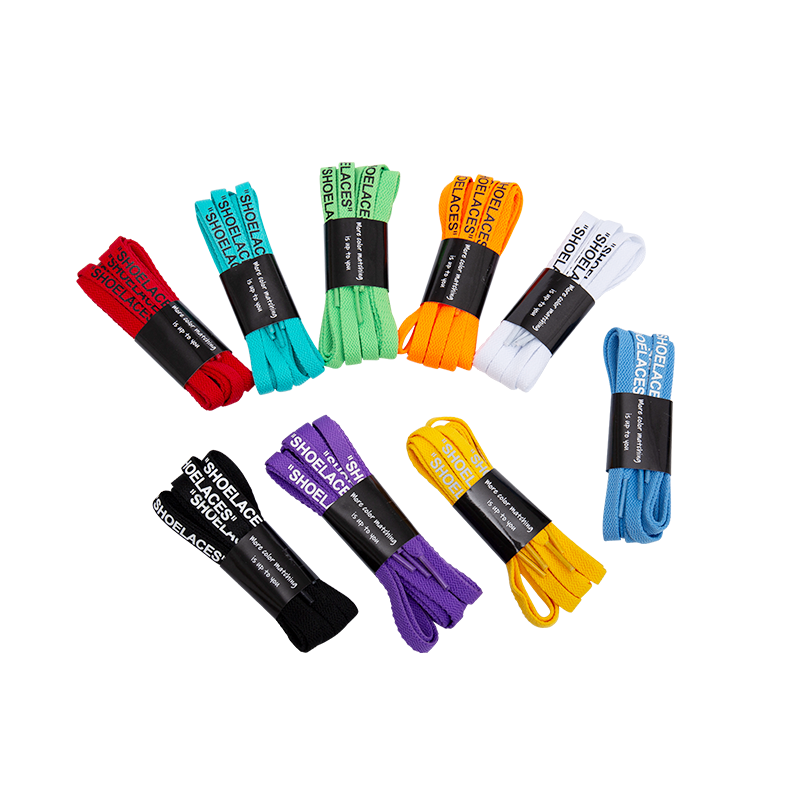
The combination of organic cotton base material with printed decoration creates a product that serves both functional and aesthetic purposes. Common applications include bag handles and straps, garment waistbands, belt webbing, backpack shoulder straps, pet collars and leashes, furniture trims, and shoe laces and uppers.
When you select an Organic Printed Cotton Webbing, you are choosing a component that must meet demanding requirements: color fastness to washing and light, tensile strength for load bearing, abrasion resistance for durability, and softness for wearer comfort.
The fundamental difference between pigment and reactive printing lies in how the color is fixed to the cotton fibers. This difference affects color quality, durability, environmental footprint, and cost.
Pigment printing uses water based inks containing colored pigments suspended in a binder. The ink is applied to the surface of the fabric, and then heat cured to bond the pigment particles to the fiber surface. The pigments do not penetrate deeply into the cotton fibers. This surface application makes pigment printing simpler and more environmentally friendly because it requires no washing or steaming after printing .
Reactive printing uses dyes that chemically bond with the cellulose molecules in cotton fibers. The fabric must be pre treated before printing. After printing, the fabric is steamed to allow the dye to react with the fiber. Finally, the fabric is washed to remove un fixed dye. This process creates a deeper, more permanent bond but consumes significantly more water and energy .
The table below compares pigment printing and reactive printing for organic cotton webbing across key parameters.
| Parameter | Pigment Printing | Reactive Printing |
|---|---|---|
| Color Fixation | Surface bond with binder | Chemical bond with fiber |
| Color Vibrancy | Good, improving with modern inks | Excellent, deep saturation |
| Wash Fastness | Good (3-4/5) with modern formulations | Excellent (4-5/5) |
| Light Fastness | Very good (6-7/8) | Good to very good |
| Softness | Good with soft binders | Excellent, dye penetrates fiber |
| Water Consumption | Very low | High (10-15 liters per kg) |
| Energy Consumption | Low | High |
| Post-Printing Processing | Heat cure only | Steam and wash |
| Cost per Meter | Lower ($3-6) | Higher ($5-9) |
| Environmental Impact | Lower | Higher |
| Best Application | High volume, cost sensitive | Premium, maximum wash durability |
For many applications, modern pigment printing has closed the gap with reactive printing significantly. Advanced binder systems now produce pigment prints with excellent wash fastness and soft hand feel, while maintaining the environmental and cost advantages .
Pigment printing offers several compelling advantages for organic printed cotton webbing, particularly for brands committed to sustainability.
The environmental advantage is the most significant. Pigment printing requires no washing after printing. Reactive printing, by contrast, requires intense washing to remove thickeners and hydrolyzed dyes, consuming 12 to 14 liters of water per kilogram of fabric. The subsequent drying process adds approximately 30 percent more processing time and energy consumption . For organic cotton webbing, where the environmental credentials of the product are a primary selling point, pigment printing aligns with the values of the base material.
The energy consumption comparison is stark. Pigment printing consumes approximately 6.8 megajoules of energy per metric ton of fabric. Reactive printing consumes 16.7 megajoules per metric ton, primarily due to the washing and drying stages. Carbon dioxide emissions are reduced by approximately 40 percent with pigment printing compared to reactive printing .
For brands with low minimum order quantities or frequent design changes, pigment printing offers faster sampling and production. Mistakes can be detected and corrected during the printing process. Sampling is very fast. The short process from design to finished product allows responsive supply chains .
Modern pigment printing technology has addressed historical limitations. Third generation binders are significantly softer than older formulations, producing a hand feel comparable to reactive printed fabric. Special softener and plasticizer mixtures can provide results similar to reactive printed fabric while maintaining the pigment process advantages .
Despite the advantages of pigment printing, reactive printing remains the preferred method for certain applications where maximum color performance and wash durability are essential.
Reactive printing produces the most vibrant, saturated colors possible on cotton. The dye penetrates the fiber and becomes part of the fiber structure, creating deep, rich hues that cannot be matched by surface applied pigments. For luxury accessories, high end apparel, and any product where color depth is a primary selling point, reactive printing justifies its higher cost and environmental impact.
The wash fastness of reactive printing is exceptional. The dye fiber bond is resistant to repeated laundering. For products that will be washed frequently, such as garment waistbands, pet collars, or reusable bag straps, reactive printing ensures the design remains crisp and vibrant through many wash cycles.
Reactive printing is often required for finer fabrics or for products with very high color fastness requirements. For silk scarves, reactive printing is preferred because the dye penetrates the fiber and does not sit on the surface, preserving the natural drape and preventing bleeding. Some premium brands require reactive printing as a specification for all their trims and accessories.
For products targeting the highest tier of the market, the perceived value of reactive printing may support a higher retail price. The cost difference between pigment and reactive printing is typically $2 to $3 per meter, which is acceptable for luxury goods but significant for high volume, price sensitive products.
The weave structure of organic cotton webbing affects how the fabric accepts printing and how the printed design appears.
Plain weave webbing has a simple over under construction. The flat, even surface provides a good base for both pigment and reactive printing. Fine details and small text print clearly. Plain weave is the most common structure for printed webbing used in bag straps, belt webbing, and general trims.
Twill weave webbing has a diagonal rib pattern created by offsetting the interlacing points. The textured surface can create subtle visual effects when printed. Some inks may settle differently on the raised and recessed areas, creating a tonal effect. Twill webbing is popular for apparel trims and decorative applications where texture adds value.
Herringbone weave webbing has a distinctive V shaped pattern that resembles fish bones. This weave is often used for organic cotton webbing because it combines strength with aesthetic appeal. The herringbone texture can be enhanced or muted by printing, depending on the design goal .
Jacquard webbing is woven with patterns directly into the structure, rather than printed on the surface. For organic cotton webbing, jacquard allows intricate logo designs without using inks. However, jacquard requires more expensive loom setups and higher minimum quantities. Printed webbing offers greater design flexibility for lower volumes .
The choice of weave structure should be made in consultation with the webbing manufacturer, considering the printed design complexity, the required tensile strength, and the aesthetic goals.
For many applications of organic printed cotton webbing, tensile strength is a critical performance parameter. Straps that will carry weight, such as bag handles or backpack straps, must not stretch excessively or break under load.
Organic cotton webbing achieves tensile strength comparable to conventional cotton webbing of the same construction. However, the printing process can affect strength. Pigment printing applies a binder to the fiber surface, which can add some stiffness but typically does not reduce tensile strength. Reactive printing involves steaming and washing, which may cause some fiber weakening if not carefully controlled.
For high load applications, webbing thickness and weave density are more important than the printing method. Thicker webbing, typically 1.5 to 2.5 millimeters, provides greater load capacity. Twill and herringbone weaves generally offer higher tensile strength than plain weave for the same weight.
The table below provides tensile strength benchmarks for organic cotton webbing.
| Webbing Width | Weave Type | Typical Tensile Strength | Recommended Load | Application |
|---|---|---|---|---|
| 10 mm (3/8 inch) | Plain | 150-250 N | Up to 5 kg | Light drawstrings, thin trims |
| 15 mm (5/8 inch) | Plain | 250-400 N | Up to 8 kg | Bag zipper pulls, small straps |
| 20 mm (3/4 inch) | Twill | 400-600 N | Up to 12 kg | Handbag handles, garment belts |
| 25 mm (1 inch) | Twill/Herringbone | 600-900 N | Up to 18 kg | Backpack straps, waistbands |
| 38 mm (1.5 inch) | Herringbone | 1000-1500 N | Up to 30 kg | Heavy duty bags, pet collars |
For load bearing applications, always specify the required tensile strength and request test reports from the manufacturer. Certifications such as GOTS also require certain quality and durability standards.
Color fastness is the measure of how well a printed design resists fading, bleeding, or transferring when exposed to washing, light, rubbing, or other conditions.
Wash fastness is tested according to standards such as ISO 105 C10. The test measures color change of the printed fabric and color staining of adjacent fabrics. A rating of 4 to 5 out of 5 is considered excellent. Modern pigment printing achieves wash fastness ratings of 4 out of 5 for 40 degree Celsius washes. Reactive printing consistently achieves 4 to 5 out of 5 .
Light fastness measures resistance to fading from sunlight exposure. Pigment printing traditionally excelled in light fastness, with ratings of 6 to 7 out of 8. Reactive printing also achieves good light fastness, typically 5 to 6 out of 8. For products that will be exposed to direct sunlight, such as outdoor furniture or automotive accessories, specify high light fastness requirements.
Rubbing fastness, or crocking, measures whether color transfers from the printed fabric to other surfaces. Dry crocking ratings are typically good for both printing methods. Wet crocking can be more challenging for pigment printing because the pigments sit on the fiber surface. High quality binders improve wet crocking performance significantly.
For organic printed cotton webbing, request test reports for all relevant color fastness parameters. GOTS certification requires compliance with strict limits for color fastness and prohibits the use of certain chemicals in the printing process.
For brands committed to sustainability, environmental certifications provide assurance that the organic printed cotton webbing meets recognized standards.
GOTS is the leading certification for organic textiles. It covers the entire supply chain from fiber harvesting to manufacturing to labeling. GOTS certified organic cotton webbing must contain at least 70 percent certified organic fibers. The certification also restricts the use of toxic chemicals, including certain heavy metals, formaldehyde, and aromatic solvents. Printing inks must meet strict environmental and toxicity requirements .
OEKO TEX Standard 100 certifies that the product is free from harmful substances. It does not require organic fibers but tests for hundreds of regulated and non regulated chemicals. For printed webbing, OEKO TEX ensures that the inks and binders do not release hazardous substances that could harm the wearer .
GRS (Global Recycled Standard) certifies recycled content. Some organic cotton webbing may also incorporate recycled polyester or other recycled materials. For products positioned as sustainable, GRS provides additional credibility .
FSC certification applies if the webbing packaging or any wood based components are used. For paper labels or cardboard packaging, FSC ensures responsible forestry.
When sourcing organic printed cotton webbing, ask the manufacturer for their certifications. A reputable supplier will provide documentation and may display certification marks on their website and marketing materials.
Organic printed cotton webbing serves diverse market segments, each with specific requirements.
In the fashion apparel segment, printed webbing is used for waistbands, drawstrings, belt loops, and decorative trims. The webbing must be soft against the skin. Color fastness to washing is important because garments are laundered regularly. Pigment printing with soft binders is often sufficient, though luxury brands may specify reactive printing for superior color depth.
In the bag and accessory segment, printed webbing is used for handles, shoulder straps, zipper pulls, and decorative bands. Tensile strength is critical for load bearing straps. The webbing must resist abrasion from daily use. Both pigment and reactive printing are used, depending on the brand positioning and volume requirements.
In the pet product segment, printed webbing is used for collars, leashes, and harnesses. Durability is paramount. The webbing must resist chewing, scratching, and weather exposure. Wash fastness is important because pet products are frequently cleaned. Heavy duty herringbone webbing with pigment printing is common in this segment .
In the home textile segment, printed webbing is used for furniture trims, curtain ties, cushion edging, and decorative accents. Light fastness is important because furniture may be exposed to sunlight. Aesthetic appeal drives design choices. Both printing methods are used, with the choice depending on the volume and price point.
In the craft and DIY segment, smaller quantities of printed webbing are sold to hobbyists and small makers. For this segment, pigment printing offers lower minimum order quantities and faster turnaround times. The availability of organic materials is increasingly important to eco conscious crafters.
Organic printed cotton webbing represents one component of a broader sustainability strategy. However, true environmental responsibility requires attention to the entire production process.
Water consumption is a critical metric. Conventional textile printing consumes enormous volumes of water. Organic cotton webbing printed with pigment technology uses dramatically less water because no washing step is required after printing. For brands measuring their water footprint, specifying pigment printed organic webbing reduces impact.
Energy consumption and carbon emissions follow similar patterns. The high temperature steaming and drying of reactive printing consumes energy. The additional washing step adds more energy for water pumping and heating. Pigment printing, with its simple heat cure, has a lower carbon footprint.
Chemical management is addressed by certifications such as GOTS and OEKO TEX. However, brands should look beyond certification to the actual chemical inventory used by the supplier. Are the inks water based and free from hazardous air pollutants? Are the binders free from formaldehyde? Are cleaning solvents properly managed and disposed?
Packaging is another consideration. Organic printed cotton webbing is often shipped on plastic spools or in polybags. Sustainable brands should specify recycled content packaging, biodegradable spools, or cardboard rolls. Some suppliers offer returnable spool programs.
Long product life is perhaps the most important sustainability factor. A product that lasts twice as long has half the environmental impact per use. By selecting high quality organic printed cotton webbing with excellent durability and color fastness, brands extend product life and reduce waste.
The selection between pigment and reactive printing for organic printed cotton webbing should be based on the specific requirements of the end use, the brand positioning, and the volume.
For high volume, cost sensitive applications where good durability is sufficient and environmental impact is a priority, pigment printing is the superior choice. Modern pigment printing achieves wash fastness of 3 to 4 out of 5, which is adequate for most apparel and accessory applications. The lower water and energy consumption aligns with sustainability goals. The faster processing and lower cost support competitive pricing.
For premium applications where maximum color vibrancy and wash durability are essential, reactive printing remains the standard. Reactive printed webbing achieves the deepest, most saturated colors and the highest wash fastness ratings. For luxury accessories, high end apparel, and products that will be laundered frequently, the additional cost and environmental impact may be justified.
For brands seeking the best of both worlds, advanced pigment printing systems with third generation binders and softener packages provide excellent results. These systems achieve color depth and hand feel approaching reactive printing while maintaining the environmental and cost advantages. The technology continues to improve, and the gap between pigment and reactive printing narrows with each generation.
When sourcing organic printed cotton webbing, request samples printed with both methods. Evaluate the color depth, softness, and wash fastness for your specific application. Consider the volume and the price point. And above all, verify the organic certification and the environmental credentials of the supplier.
By understanding the technical differences and performance characteristics presented in this article, apparel brand owners, accessory manufacturers, and product developers can confidently select the right organic printed cotton webbing for each application, balancing aesthetics, durability, cost, and sustainability.
Q1: What is the difference between pigment and reactive printing on organic cotton webbing?
A: Pigment printing applies colored pigments suspended in a binder to the surface of the webbing, then heat cures them. The pigments sit on the fiber surface. Reactive printing uses dyes that chemically bond with the cotton fibers. The dye penetrates and becomes part of the fiber. Pigment printing requires no washing, uses less water and energy, and costs less. Reactive printing produces more vibrant colors and has superior wash fastness but consumes significantly more water and energy .
Q2: Is pigment printed organic cotton webbing durable enough for bag straps?
A: Yes, modern pigment printing achieves wash fastness ratings of 3 to 4 out of 5, which is sufficient for most bag and accessory applications. The tensile strength of the webbing itself, not the printing method, determines load bearing capacity. For heavy duty straps, select webbing with appropriate thickness and weave density. For products that will be washed frequently or subjected to high abrasion, specify pigment printing with high quality binders or consider reactive printing .
Q3: What certifications should I look for in organic printed cotton webbing?
A: The most important certification is GOTS (Global Organic Textile Standard), which verifies organic fiber content and restricts harmful chemicals throughout the supply chain. OEKO TEX Standard 100 certifies that the product is free from harmful substances, even if not organically grown. For recycled content, look for GRS (Global Recycled Standard). For a premium sustainability positioning, seek products with multiple certifications .
Q4: Which printing method is more environmentally friendly?
A: Pigment printing is significantly more environmentally friendly. It consumes 6.8 megajoules of energy per metric ton of fabric compared to 16.7 megajoules for reactive printing. It uses no washing water, while reactive printing consumes 12 to 14 liters per kilogram of fabric. Carbon dioxide emissions are approximately 40 percent lower with pigment printing. However, reactive printing can still be certified to GOTS if the facility meets strict environmental management requirements .
Q5: Can organic cotton webbing be printed with custom logos and designs?
A: Yes, both pigment and reactive printing can reproduce custom logos, patterns, and designs on organic cotton webbing. The design is applied using rotary screen printing or digital printing methods. Minimum order quantities vary by manufacturer and printing method. Pigment printing typically offers lower minimums and faster sampling. Reactive printing may require higher minimums due to the complexity of the process. For small quantity custom work, digital pigment printing on organic cotton webbing is the most accessible option .